This website is a preview of our work. Our treatment remains in research and development while we address the challenges that must be resolved before we can offer it.
Update — December 22, 2025: It has been an eventful year, and we are closer to our goal than ever before. Check back regularly for news.


We offer a targeted, effective, and safer
CANCER
TREATMENT
TREATMENT
Ambrego's individualized treatment induces cell-cycle arrest only on cancerous cells, allowing the far safer Ambrego treatment to completely replace the conventional chemotherapy. Also, Ambrego's treatment actively destroys cancerous cells. Given as a supplement to conventional chemotherapy, it can turn a palliative chemotherapy treatment into an effective treatment which cures the patient. Suitable for both humans and animals.
We offer a targeted, effective, and safer
CANCER
TREATMENT
Ambrego's individualized treatment induces cell-cycle arrest targeted only on cancerous cells, allowing the far safer Ambrego treatment to completely replace the conventional chemotherapy. Also, Ambrego's treatment actively destroys cancerous cells. Given as a supplement to conventional chemotherapy, it can turn a palliative chemotherapy treatment into an effective treatment which cures the patient. Suitable for both humans and animals.
How the Treatment Advances
the Current State of the Art

Chemotherapy affects not only cancer cells but also other rapidly dividing cells, such as those in hair follicles and bone marrow. Many patients can tolerate the severe side effects, but they can be especially dangerous for children and people with pre-existing conditions. Ambrego's targeted approach is designed to avoid these effects.
> A safer but equally effective alternative to chemotherapy for high-risk patients.
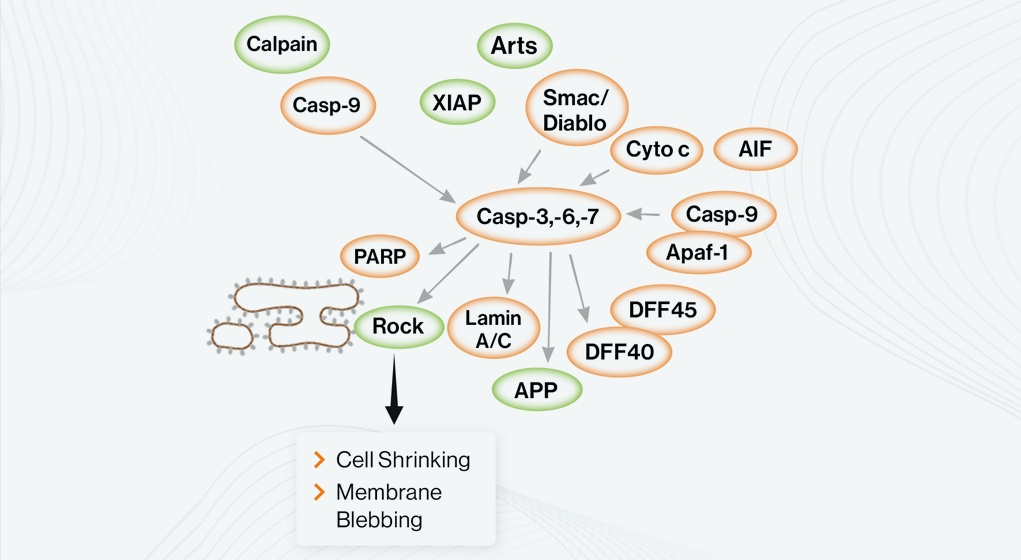
Unlike chemotherapy, which only induces cell-cycle arrest, one component of Ambrego therapy actively destroys cancer cells by inducing apoptosis. As a supplement to conventional chemotherapy, it can turn palliative chemotherapy into an effective treatment that cures the patient.
> An effective treatment in many situations where conventional chemotherapy alone can no longer cure the patient.

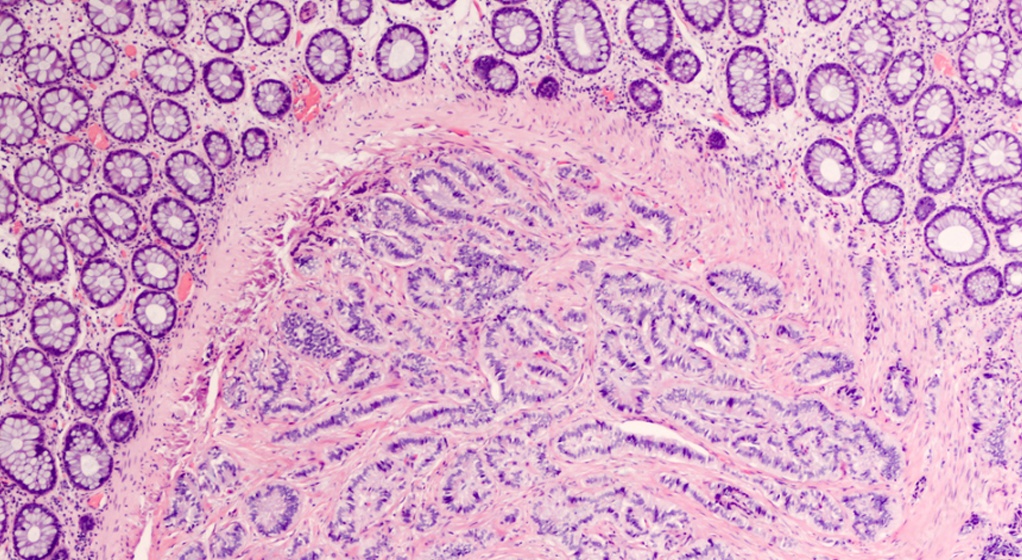
The individualized drugs target cells by recognizing the DNA mutations themselves. Unlike individualized immunotherapy, this requires neither prediction or profiling—which are inherently imprecise—nor interpretation of the mutations.
> Ultra-targeted, resulting in greater efficacy and fewer side effects.
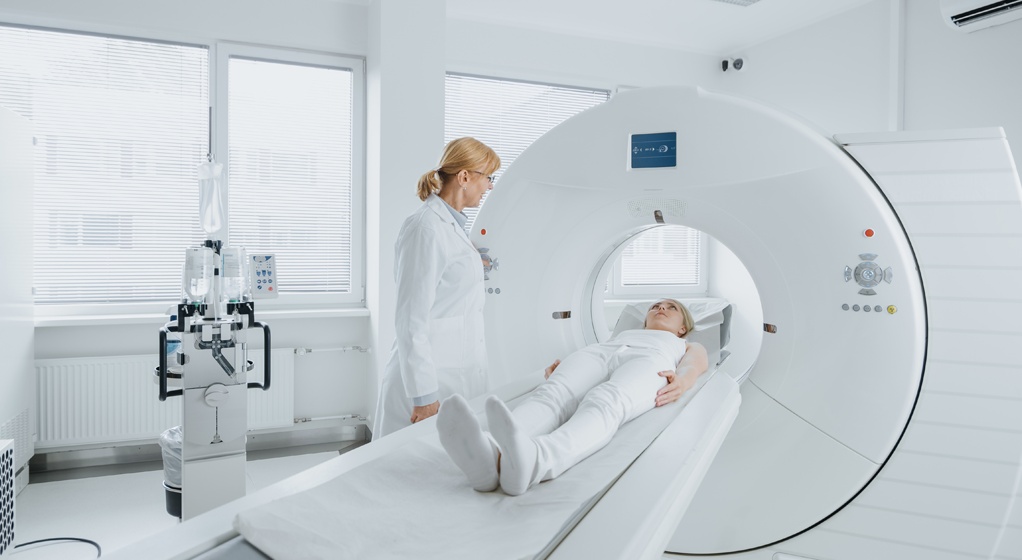
Before treatment, the individualized drugs are tested in vitro using the patient's cell samples and then in the patient's body using MRI-visible marker drugs that share the active drugs' targeting mechanism.
> No time is lost with ineffective treatments.
If pre-treatment tests show that the individualized drugs are ineffective because the selected proteins are not expressed or the targeted genes are silenced, the drugs can be adapted to target other signaling pathways in the cell.
> Thus a high chance for success even if the tumor does not respond to other treatments.
Chemotherapy affects not only cancer cells but also other rapidly dividing cells, such as those in hair follicles and bone marrow. Many patients can tolerate the side effects, but they can be especially dangerous for children and people with pre-existing conditions. Ambrego's targeted approach is designed to avoid these effects.
> Therefore, far fewer dangerous side effects.
Unlike chemotherapy, Ambrego therapy is designed not to attack healthy cells. The individualized drugs can therefore be fine-tuned for maximum effectiveness against cancer cells.
> Therefore, much higher efficacy.
The individualized drugs target cells by recognizing the DNA mutations themselves. Unlike individualized immunotherapy, this requires neither prediction or profiling—which are inherently imprecise—nor interpretation of the mutations.
> Again, higher efficacy and fewer side effects.
Before treatment, the individualized drugs are tested in vitro using the patient's cell samples and then in the patient's body using MRI-visible marker drugs that share the active drugs' targeting mechanism.
> No time is lost with ineffective treatments.
If pre-treatment tests show that the individualized drugs are ineffective because the selected proteins are not expressed or the targeted genes are silenced, the drugs can be adapted to target other signaling pathways in the cell.
> Thus a high chance for success even if the tumor does not respond to other treatments.
The Treatment Process
Manufacturing of the drugs (4-6 weeks)
01
The oncologist biopsies the tumor or tumors and also collects samples of healthy cells from the patient.
02
The samples are shipped to Ambrego in Düsseldorf, Germany.
03
Using whole-genome sequencing, Ambrego identifies the DNA mutations that best distinguish healthy cells from cancer cells.
04
Ambrego produces four drugs designed to affect only cells with the identified DNA mutations (cancer cells):


one to mark cells with eGFP (visible under a microscope)
one to mark cells with an MRI contrast agent

one to induce cell-cycle arrest (inhibiting cell growth)
one to initiate apoptosis (destroying cells)
one to mark cells with eGFP (visible under a microscope)
one to mark cells with an MRI contrast agent
one to induce cell-cycle arrest (inhibiting cell growth)
one to initiate apoptosis (destroying cells)
05
Ambrego verifies with the drug 1 in vitro (in a Petri dish) that the selected mutations correctly distinguish the patient's healthy cells from the cancer cells. If they do not, drugs targeting other mutations are produced.
06
Ambrego verifies with drug 3 and drug 4 in vitro that the cancer cells respond to the active ingredients expressed when cancer cells are detected. If they do not, drugs with alternative active ingredients targeting other cellular pathways are produced.
07
Ambrego ships drugs 2, 3 and 4 to the oncologist.
08
Using drug 2 followed by a whole-body MRI scan, the oncologist checks whether the cancer cells are precisely targeted.
The actual treatment
The goal of the Ambrego treatment is to cure cancer in a controlled manner. There are no treatment cycles in which a combination of drugs is administered and the body then has to recover for a longer time, as with conventional chemotherapy.
As part of Ambrego treatment, one drug keeps the cancer cells in cell-cycle arrest so that they can no longer divide and grow. Another drug destroys the cancer cells at a pace intended not to overwhelm the patient, because their growth has already been halted.
The patient has a good chance of living a normal life during the treatment and of being cured at the end of the treatment.